How to Feed Your Frenchie for Health, Energy, and Longevity
Proper nutrition is one of the most important—and often misunderstood—parts of French Bulldog care. Because Frenchies have unique physical traits, sensitive digestion, and a tendency toward weight gain, feeding them correctly is not optional. It directly affects their breathing, joints, skin, energy levels, and overall quality of life.
This guide explains how to feed a French Bulldog at every life stage, what nutrients matter most, common feeding mistakes, and how to build a diet that supports long-term health.
Why Nutrition Matters More for French Bulldogs
French Bulldogs are a brachycephalic breed with compact bodies, short airways, and relatively low heat tolerance. Poor nutrition can worsen common breed challenges such as:
- Obesity and joint strain
- Digestive upset and gas
- Skin allergies and itching
- Reduced stamina and breathing stress
A well-balanced diet supports lean muscle, healthy digestion, and controlled weight—three critical factors for French Bulldog wellness.
For general breed traits and care considerations, see:
👉 What Is a French Bulldog?
French Bulldog Feeding Basics
Key Nutritional Priorities
A high-quality French Bulldog diet should include:
- Animal-based protein as the first ingredient
- Moderate fat levels (not excessive)
- Easily digestible carbohydrates
- Omega-3 and Omega-6 fatty acids for skin and coat
- Joint-supporting nutrients such as glucosamine
Avoid foods heavy in fillers, artificial dyes, or low-quality byproducts.
Feeding French Bulldog Puppies
French Bulldog puppies grow rapidly and need nutrient-dense food without excess calories.
Puppy Feeding Guidelines
- Feed 3–4 small meals per day
- Choose a puppy-specific formula for small to medium breeds
- Avoid free-feeding
- Monitor stool quality and energy levels
Overfeeding puppies can lead to joint stress later in life, so portion control is essential.
For early care planning, see:
👉 Puppy Preparation Checklist for First-Time French Bulldog Owners
Feeding Adult French Bulldogs
Adult French Bulldogs typically do best with 2 measured meals per day.
Adult Diet Focus
- Maintain lean body condition
- Support digestion and skin health
- Prevent unnecessary weight gain
Because French Bulldogs often have lower activity levels, calorie control is more important than food volume.
Senior French Bulldog Nutrition
As French Bulldogs age, their metabolism slows and joint health becomes a priority.
Senior Diet Adjustments
- Slightly reduced calories
- Increased joint support
- Easily digestible proteins
- Monitoring for food sensitivities
Regular weight checks help prevent stress on joints and breathing.
Common French Bulldog Feeding Mistakes
Avoid these frequent issues:
- ❌ Overfeeding treats
- ❌ Table scraps (especially fatty foods)
- ❌ Switching foods abruptly
- ❌ Feeding once daily large meals
- ❌ Ignoring food-related skin reactions
Consistency matters more than variety for French Bulldogs.
Dry Food vs Wet Food vs Fresh Diets
Dry Food (Kibble)
- Convenient
- Supports dental health
- Must be high quality
Wet Food
- More palatable
- Higher moisture
- Can contribute to weight gain if not portioned carefully
Fresh or Home-Prepared Diets
- Must be vet-approved
- Requires precise nutrient balance
- Not recommended without professional guidance
Most French Bulldogs thrive on a premium dry food with occasional fresh additions.
Food Sensitivities and Allergies
French Bulldogs are prone to food sensitivities.
Common Triggers
- Chicken
- Corn
- Wheat
- Artificial additives
Signs of intolerance include itching, ear infections, gas, and loose stools. If symptoms appear, consult a veterinarian before changing diets.
Portion Control & Weight Management
French Bulldogs should have a visible waist and palpable ribs without excess fat.
Tips
- Measure food precisely
- Limit treats to under 10% of daily intake
- Adjust portions with activity level changes
Weight control directly impacts breathing comfort and joint health.
Hydration Matters
French Bulldogs should always have access to fresh water.
Dehydration can worsen:
- Heat sensitivity
- Digestive issues
- Energy levels
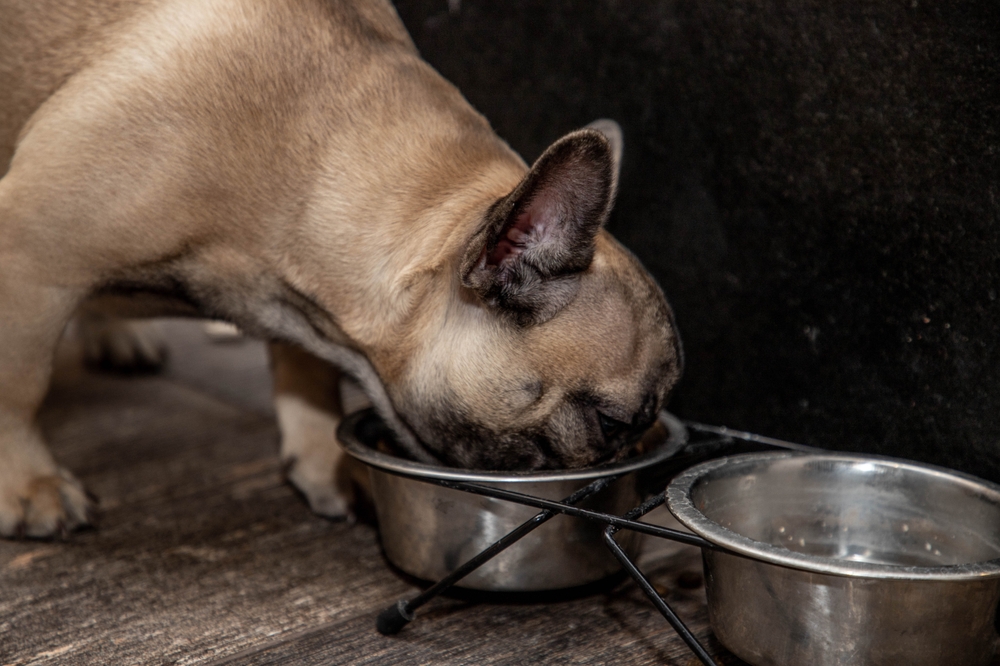
Use shallow bowls that accommodate their facial structure.
Feeding Schedule & Routine
French Bulldogs thrive on routine.
- Feed at the same times daily
- Avoid exercise immediately after meals
- Keep feeding area calm and quiet
Predictability supports digestion and emotional stability.
How Nutrition Supports Behavior & Training
Balanced nutrition helps regulate energy and focus.
Poor diets can contribute to:
- Hyperactivity
- Low stamina
- Irritability
For training foundations, see:
👉 French Bulldog Training & Behavior Basics
Final Thoughts
Feeding a French Bulldog properly is about balance, consistency, and breed awareness. Their unique anatomy and temperament require thoughtful nutrition choices that support health without excess.
By choosing high-quality food, controlling portions, and monitoring individual needs, owners can dramatically improve their French Bulldog’s comfort, longevity, and quality of life.
Nutrition is not just fuel—it is foundational care.
📘 Continue Exploring French Bulldog Care & Ownership
Building a healthy, happy French Bulldog starts with informed decisions. Continue learning through our foundational guides:
→ What Is a French Bulldog?
→ French Bulldog Temperament & Personality
→ French Bulldog Health & Care Guide
→ French Bulldog Grooming Essentials
→ French Bulldog Exercise & Enrichment
→ Puppy Preparation Checklist for First-Time Owners
→ Understanding Responsible Dog Breeding (Complete Dog Guide)
Each guide is designed to help you better understand your Frenchie’s needs at every stage of life.