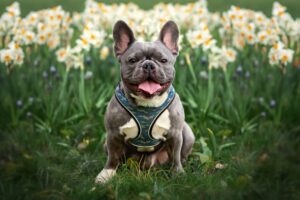

The French Bulldog is a beloved companion breed known for its affectionate nature, expressive personality, and adaptability to modern lifestyles. However, like all breeds, French Bulldogs have specific health and care needs that responsible owners must understand and plan for.
This guide provides a comprehensive overview of French Bulldog health and care, covering common health considerations, daily care routines, exercise needs, grooming basics, and long-term wellness planning. Understanding these elements is essential for supporting a healthy, comfortable, and fulfilling life for your French Bulldog.
Understanding French Bulldog Health Needs
French Bulldogs are classified as a brachycephalic breed, meaning they have a shortened skull and muzzle. This anatomical structure contributes to their distinctive appearance but also influences their health requirements.
Because of their unique build, French Bulldogs require:
- Careful temperature management
- Moderate exercise routines
- Ongoing health monitoring
- Preventative care planning
A foundational understanding of the breed helps owners make informed decisions about care and lifestyle.
Common Health Considerations in French Bulldogs
While many French Bulldogs live happy, healthy lives, owners should be aware of common areas that require attention.
Respiratory Health
Due to their short airways, French Bulldogs may experience:
- Difficulty breathing during exertion
- Sensitivity to heat and humidity
- Snoring or noisy breathing
Care routines should prioritize calm activity and avoid overexertion.
Heat Sensitivity
French Bulldogs do not regulate heat as efficiently as long-nosed breeds. Overheating can occur quickly, especially in warm or humid environments.
Owners should:
- Avoid outdoor activity during peak heat
- Provide shaded, climate-controlled spaces
- Monitor for signs of heat stress
Skin & Coat Health
French Bulldogs have short coats and skin folds that require routine care.
Common concerns include:
- Skin irritation
- Moisture buildup in folds
- Allergies or sensitivity
Consistent grooming and inspection help prevent issues before they escalate.
Joint & Mobility Care
Although compact and muscular, French Bulldogs can be prone to joint strain if overexercised or allowed to gain excess weight.
Supporting joint health includes:
- Maintaining a healthy weight
- Avoiding repetitive jumping
- Providing appropriate surfaces for movement
Daily Care Routines
Nutrition & Feeding
Balanced nutrition is central to overall health. French Bulldogs benefit from:
- High-quality, age-appropriate food
- Controlled portions
- Consistent feeding schedules
Sudden dietary changes should be avoided unless recommended by a veterinarian.
Exercise & Activity
French Bulldogs have moderate exercise needs. Daily activity supports:
- Muscle tone
- Mental stimulation
- Behavioral balance
Ideal activities include:
- Short walks
- Indoor play
- Interactive enrichment
Avoid intense or prolonged physical exertion.
Grooming & Hygiene
Regular grooming supports comfort and health.
Basic care includes:
- Weekly brushing
- Cleaning facial folds
- Nail trimming
- Ear checks
Routine handling during grooming also helps identify early signs of health concerns.
Preventative Veterinary Care
Preventative care plays a major role in long-term wellness.
Recommended practices include:
- Routine wellness exams
- Vaccination schedules
- Parasite prevention
- Dental health monitoring
Establishing a relationship with a veterinarian familiar with brachycephalic breeds is especially beneficial.
Mental & Emotional Wellbeing
Health extends beyond the physical. French Bulldogs are emotionally sensitive dogs that thrive on companionship and routine.
Supporting emotional wellbeing includes:
- Consistent schedules
- Positive reinforcement training
- Mental enrichment
- Avoiding prolonged isolation
Behavioral changes can sometimes signal underlying health or stress issues and should be addressed promptly.
Environmental Considerations
French Bulldogs are best suited for:
- Indoor living
- Climate-controlled environments
- Homes where they are included as companions
They are not well suited for extreme climates or outdoor-only living situations.
The Role of Responsible Breeding in Health
Genetics play a significant role in a French Bulldog’s long-term health. Ethical breeding practices prioritize:
- Functional breathing
- Structural balance
- Stable temperament
- Reduced health risk factors
Education and awareness help protect the breed’s future.
Creating a Long-Term Health Plan
Responsible ownership involves planning for:
- Routine veterinary care
- Age-appropriate adjustments
- Ongoing education
- Lifestyle changes over time
Proactive care is always more effective than reactive treatment.
Final Thoughts
French Bulldogs bring companionship, personality, and joy into the lives of their owners. Supporting their health requires understanding their unique needs and committing to consistent, thoughtful care.
By prioritizing preventative health, proper daily routines, and informed ownership, families can help French Bulldogs live comfortable, fulfilling lives. Education is the foundation of responsible care—and it benefits both the dog and the owner for years to come.
📘 Continue Exploring French Bulldog Health & Care
Understanding health needs is essential to supporting a long, comfortable life for your French Bulldog. Continue exploring trusted, breed-specific guidance:
→ What Is a French Bulldog?
→ French Bulldog Temperament & Personality
→ French Bulldog Health & Care Guide
→ French Bulldog Breathing Issues: What Owners Should Know
→ French Bulldog Nutrition & Feeding Guide
→ French Bulldog Exercise & Enrichment
→ French Bulldog Grooming Essentials
→ Puppy Preparation Checklist for French Bulldog Owners
→ Understanding Responsible Dog Breeding (Complete Dog Guide)